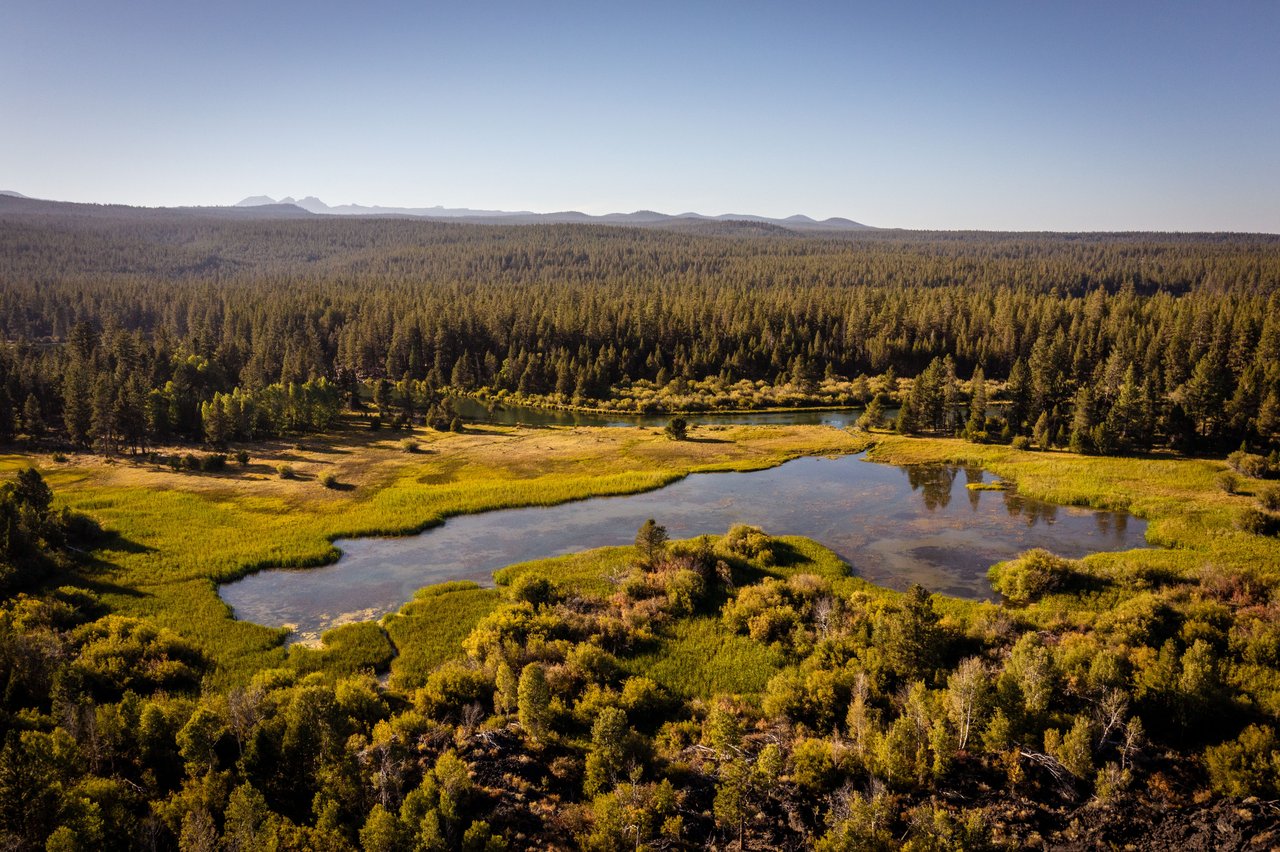
Is your ideal home less about square footage alone and more about what you can reach by lunch? If you are looking for a place that supports everyday living and weekend adventure, Bend stands out as one of Central Oregon’s most practical home bases. From river trails and downtown amenities to quick access to Mt. Bachelor and the Cascade Lakes corridor, buying in Bend can mean living where daily convenience and recreation meet. Let’s dive in.
Why Bend works as a basecamp
Bend offers a rare mix of city infrastructure and outdoor access. The city had an estimated population of 106,926 in July 2024, which helps support the services, shopping, dining, and year-round activity many buyers want in a full-time home or second home.
Travel is also relatively straightforward. Bend maintains a municipal airport about five miles northeast of town, and the nearest commercial airport is Roberts Field in Redmond, about 20 minutes north. If you plan to split time between Central Oregon and another home base, that kind of access can make ownership feel much easier.
What sets Bend apart is how quickly city life connects to recreation. You can enjoy a morning coffee downtown, spend time on the river trail system, and still be on your way to the mountains or lakes without turning the day into a major production.
Outdoor access that shapes home searches
For many buyers, Bend is not just a place to live. It is a launch point. That matters because where you buy can affect how easily you enjoy the places and activities that brought you to Central Oregon in the first place.
Mt. Bachelor access
Mt. Bachelor is one of the biggest reasons buyers focus on Bend. It is about 20 minutes south of Bend and offers 4,300 acres of terrain and 11 lifts, with skiing and snowboarding in winter plus summer bike park access, scenic lift rides, zipline activities, and other warm-season recreation.
If mountain access is a priority, homes on Bend’s west side often get more attention because they can simplify the drive toward Century Drive and the mountain corridor. That does not mean every buyer needs a west-side address, but it does mean commute-to-adventure often becomes part of the home search.
Deschutes River Trail and Old Mill
The Deschutes River Trail runs for more than 12 miles along the river and connects some of the area’s most scenic stretches. For buyers who want movement and nature built into everyday life, this trail network is a major advantage.
The Old Mill District adds another layer of convenience. It combines parks, trails, shops, restaurants, and other businesses, which makes it especially appealing if you want a home that supports a lock-and-leave lifestyle without giving up access to daily essentials and entertainment.
Cascade Lakes corridor
In the warmer months, the Cascade Lakes Scenic Byway becomes one of Bend’s signature recreation routes. The byway is 66 miles long, usually takes 3 to 5 hours to drive, and is typically best visited from June through October because the road closes beyond Mt. Bachelor in winter.
The route begins in Bend, passes Drake Park, and climbs Century Drive into the Deschutes National Forest. Along the way, you reach river access, lakes, fishing, boating, hiking, climbing, and winter recreation terrain. If your version of luxury living includes easy access to water, forest, and mountain scenery, this corridor is a big part of Bend’s appeal.
Phil’s Trailhead and trail culture
Phil’s Trailhead is another location many buyers ask about. Numerous trails of varying difficulty begin there, and the trailhead is only 2.8 miles west of Bend on Skyliners Road.
That kind of proximity matters if you want your home to support spontaneous recreation instead of requiring a full-day plan. It also helps explain why some buyers focus closely on west-side neighborhoods when comparing homes.
Smith Rock and seasonal realities
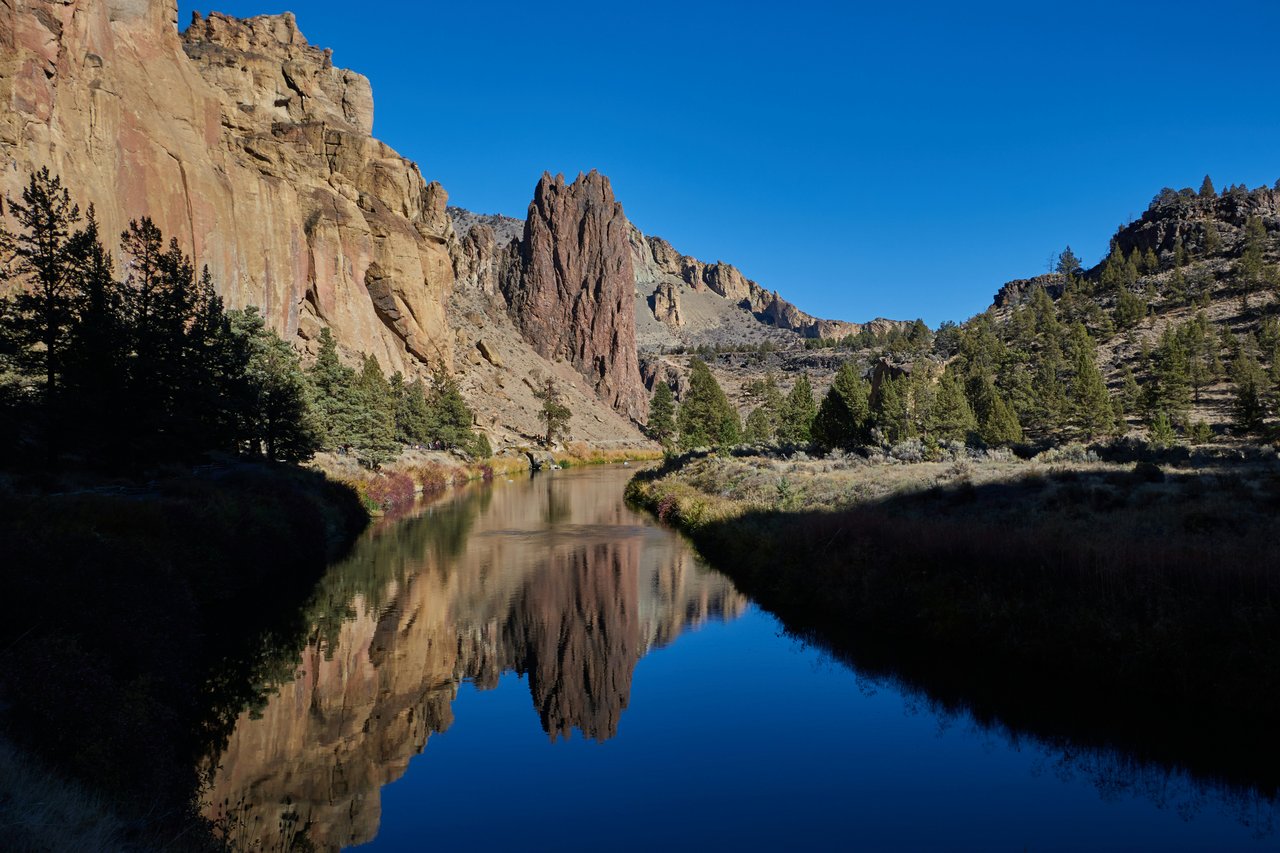
Smith Rock State Park is a major destination near Bend for climbing, hiking, mountain biking, and canyon views. Oregon State Parks describes it as a park with deep river canyons, several thousand climbs, miles of trails, and notable wildlife viewing opportunities.
It is also a good reminder that four-season living comes with seasonal access changes. Smith Rock has climbing restrictions at times to protect nesting raptors, and parts of the Cascade Lakes route close in winter. A strong Bend basecamp is about access, but it is also about understanding how that access shifts through the year.
Which Bend areas fit a basecamp lifestyle?
The City of Bend identifies 13 neighborhood districts, but a few stand out for buyers who want a home that supports both daily living and outdoor recreation. In this conversation, River West, Summit West, Century West, and Old Bend are especially relevant.
River West
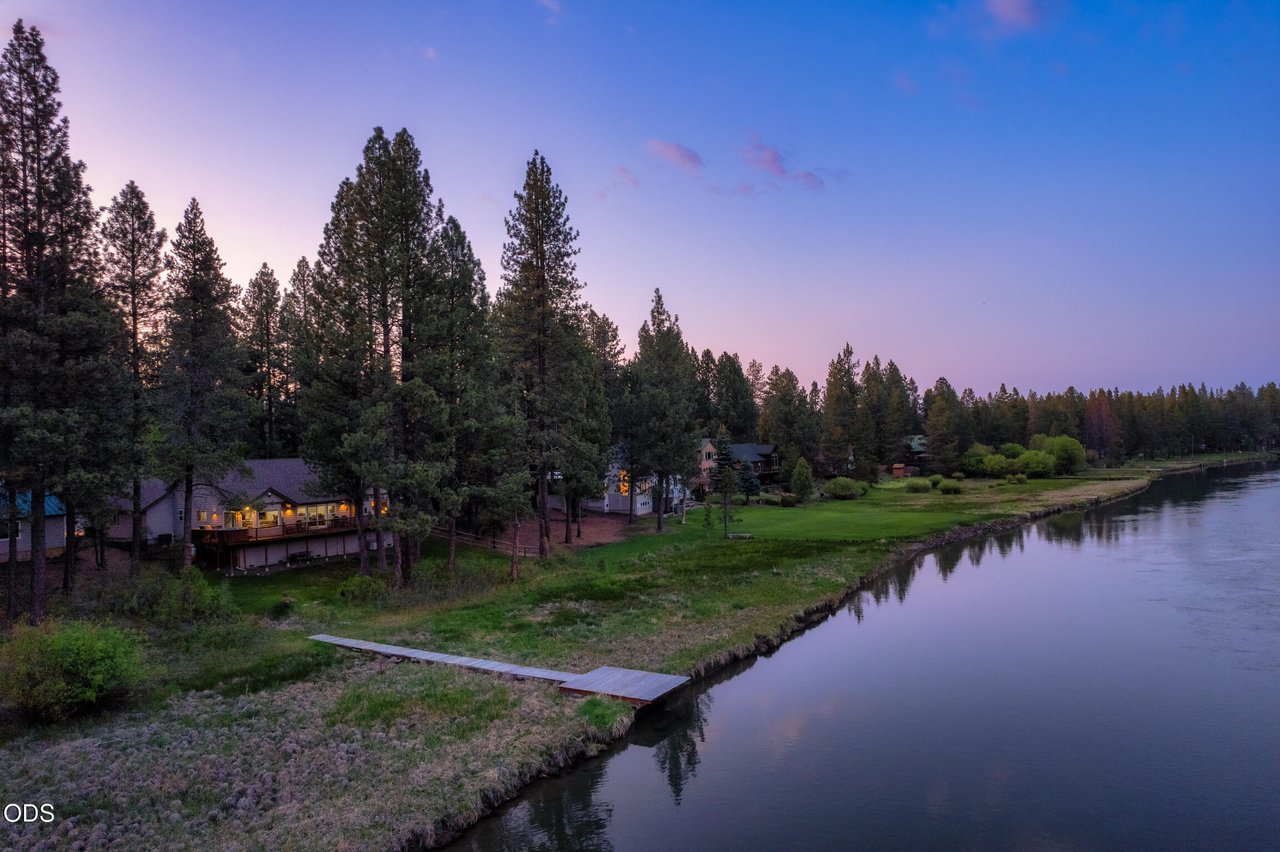
River West sits in west Bend along the Deschutes River. Buyers often look here when they want proximity to the river, trail access, and a location that still feels connected to the rest of the city.
If your ideal day includes walking, running, or biking close to home, River West often enters the conversation early. It can be a practical fit for those who want the outdoors woven into a normal weekday routine.
Summit West and Century West
Summit West is in west Bend along Shevlin Park Road, while Century West centers on the Century Drive area. These districts often appeal to buyers who prioritize quicker routes toward mountain and trail recreation.
Current market context reflects that demand. Realtor.com’s April 2026 Bend overview shows a citywide median listing price of $875,000 and median days on market of 48, while River West, Summit West, and Century West all sit above the citywide median in its neighborhood table. While that does not prove a direct cause, it does suggest that many buyers place strong value on these locations.
Old Bend
Old Bend is the south-central business core. It tends to appeal to buyers who want easier access to downtown living, dining, shopping, and a more urban daily rhythm.
For some buyers, Old Bend offers a better balance than a purely recreation-driven location. You may give up a bit of direct mountain convenience, but gain a highly practical setup for year-round living and lock-and-leave ownership.
What home features matter most?
When you buy a Bend home as a Central Oregon basecamp, the most useful features are often the least flashy. The right layout can make your home feel easy, organized, and ready for every season.
Features many buyers prioritize include:
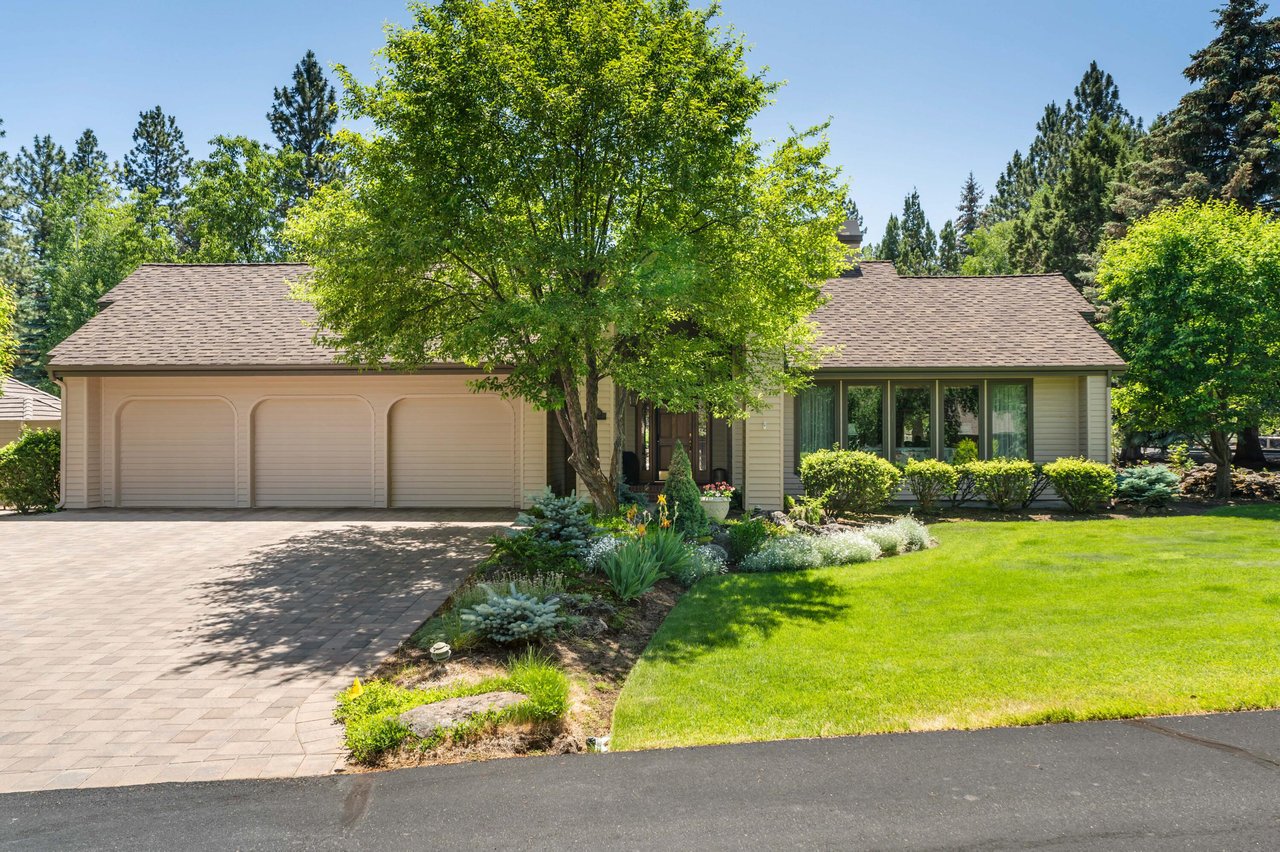
- Garages with space for equipment and storage
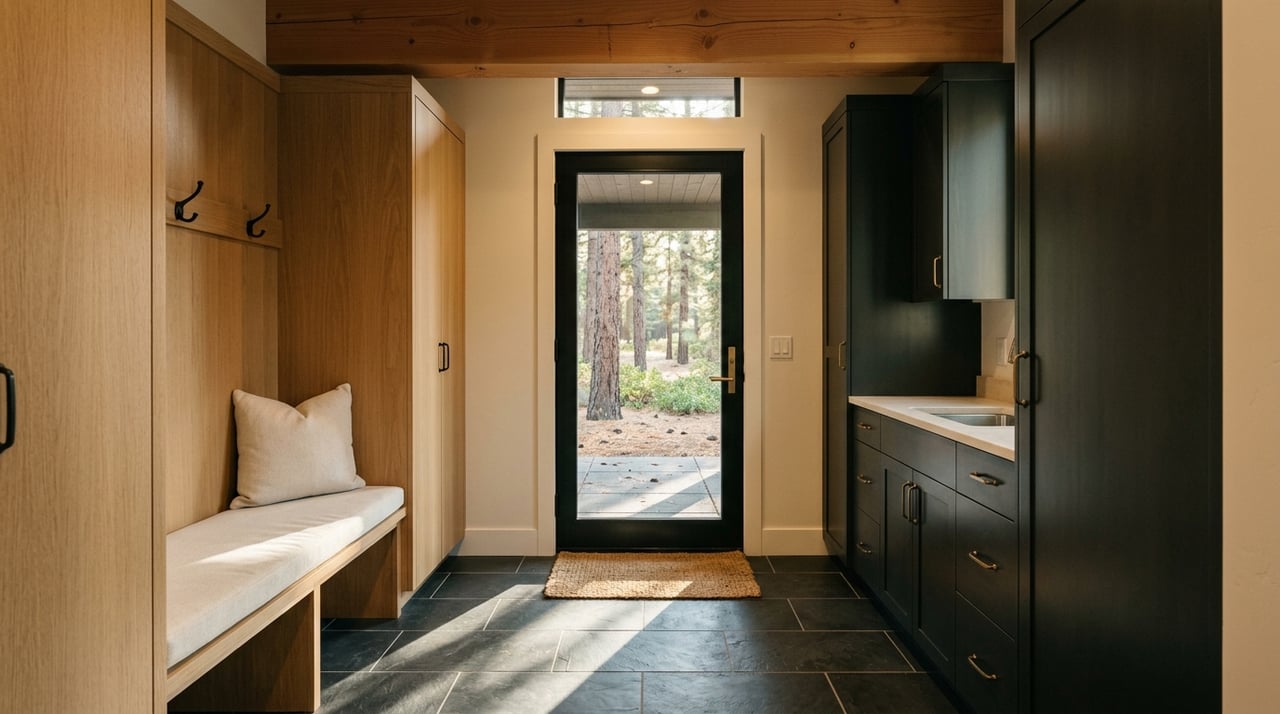
- Mudrooms or easy cleanup zones
- Flexible guest rooms or bonus spaces
- Lower-maintenance landscaping
- Lock-and-leave convenience for second-home use
Property type often shapes how these priorities show up. Low-maintenance condos or townhomes near downtown or the Old Mill District can work well for buyers who want simplicity and convenience, while west-side single-family homes may better suit buyers looking for garages, gear space, and quicker access to trails and mountain routes.
Bend or Sunriver?
Many buyers compare Bend and Sunriver before making a move. That is a smart comparison because the two places can support very different ownership goals.
Bend is the more flexible, city-centered option. It offers a larger population, broader infrastructure, multiple neighborhood choices, downtown access, an urban trail network, and practical airport access.
Sunriver is a planned residential and resort community founded in 1968, with more than 3,300 acres and 4,176 unit properties. It has a west boundary on the Deschutes River, is surrounded by Deschutes National Forest, and includes amenities such as paved pathways, parks, aquatic facilities, golf, spa facilities, a nature center and observatory, an airport, and a shopping village.
In simple terms, Bend often fits buyers who want a year-round city base with fast recreation access. Sunriver often fits buyers who want a more self-contained resort environment with a stronger vacation and amenity focus.
If you are deciding between the two, your biggest question may not be which is better. It may be which one better matches the way you actually plan to live, visit, host guests, or use the property over time.
Questions to ask before you buy
A great basecamp home is not just about the photos or the finishes. It is about how the location and property support your real routine.
As you narrow your search, consider these questions:
- How close do you want to be to Mt. Bachelor, Phil’s Trailhead, the Deschutes River Trail, or the Cascade Lakes corridor?
- Will this home function more as a primary residence, a second home, or a lock-and-leave getaway?
- Do you want a more city-centered setting or a more resort-style environment?
- Are you comfortable with seasonal access limits for certain roads or recreation areas?
- Does the neighborhood fit your budget, especially given the pricing differences across Bend?
These questions can help you move past the idea of lifestyle and into the details of ownership. That is where good decisions usually happen.
Buying with a long-view mindset
A Bend home can offer a lot more than a beautiful address. It can give you a practical launch point for skiing, biking, hiking, river days, lake weekends, and everyday life in one of Oregon’s most dynamic outdoor markets.
The key is finding the version of Bend that fits your goals. Some buyers want west-side access and gear-friendly homes. Others want a lower-maintenance condo near the Old Mill District or downtown. Still others may realize that Sunriver is a better match for the ownership experience they want.
If you want help comparing Bend with Sunriver or finding the right Central Oregon home for the way you live, Sunriver Realty is here to guide you with local insight, warm service, and a clear view of the market.
FAQs
What makes Bend a good Central Oregon basecamp?
- Bend combines city services, a population of 106,926 as of July 2024, river trails, and quick access to places like Mt. Bachelor, Phil’s Trailhead, and the Cascade Lakes corridor.
How close is Bend to Mt. Bachelor?
- Mt. Bachelor is about 20 minutes south of Bend and offers winter skiing and snowboarding plus summer activities such as bike park access, scenic lift rides, and zipline experiences.
Which Bend neighborhoods are often discussed for outdoor access?
- River West, Summit West, Century West, and Old Bend are commonly discussed because they relate closely to river access, downtown convenience, and routes toward trails and mountain recreation.
Are west-side Bend homes usually more expensive?
- Realtor.com’s April 2026 Bend overview shows a citywide median listing price of $875,000, and its neighborhood table places River West, Summit West, and Century West above that citywide median.
What kind of Bend home works best for lock-and-leave living?
- Low-maintenance condos or townhomes near downtown or the Old Mill District can be a practical fit for buyers who want simpler upkeep and easy access to dining, trails, and services.
How is Bend different from Sunriver for buyers?
- Bend is generally the more city-centered option with broader infrastructure and neighborhood variety, while Sunriver is a planned resort community with a more self-contained amenity-driven environment.
Are there seasonal access limits near Bend recreation areas?
- Yes. The Cascade Lakes Scenic Byway typically has winter closures beyond Mt. Bachelor, and Smith Rock State Park may have seasonal climbing restrictions to protect nesting raptors.