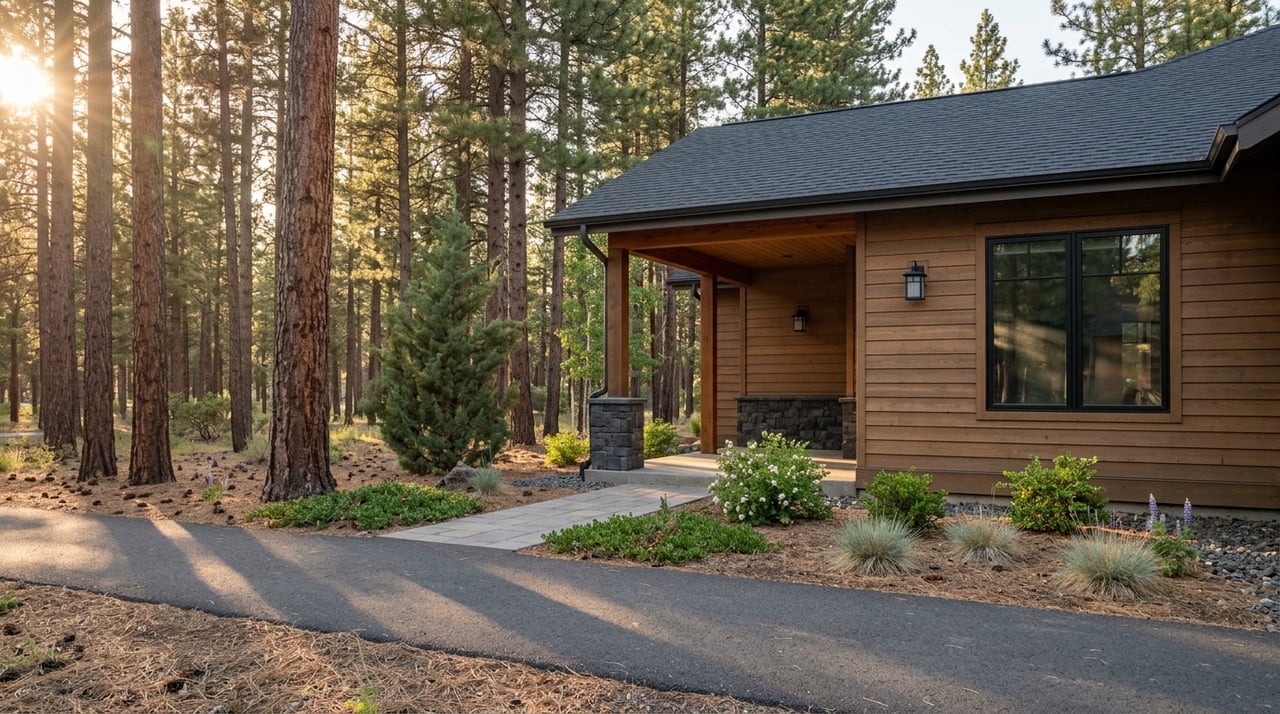
If you picture life in Sunriver as a series of scenic bike rides, you are not far off. Here, the pathway system is not just a nice extra. It shapes how you move through the community, how you spend your afternoons, and how close you feel to the places you use most. If you are considering a home here, understanding that daily rhythm can tell you as much as any property tour. Let’s take a closer look.
Why the pathways matter
Sunriver is a planned residential and resort community founded in 1968, and its paved pathway network remains one of its defining features. The Sunriver Owners Association describes the community as more than 3,300 acres with about 4,177 homesites and 34 miles of paved pathways. Sunriver Resort markets the system as 40-plus miles, so the most accurate takeaway is simple: the network is extensive and central to daily life.
That distinction matters because these paths are not just for recreation. They function like shared community infrastructure for owners, residents, and guests. The pathway rules allow pedestrians, bicycles, ADA transportation, and Class 1 e-bikes, with pedestrians having the right of way and a 15 mph speed limit.
In other words, the system supports a lower-speed, more relaxed pace. You are not stepping into a typical public trail network. You are stepping into a community where the paths help connect homes, gathering places, and everyday activities.
What everyday life can look like
One of the best ways to understand Sunriver is to imagine a normal day without defaulting to your car. That rhythm feels realistic here because many of the places residents and guests use most sit within the broader pathway layout. The result is a lifestyle that feels active, convenient, and connected to the landscape.
You might start with coffee or breakfast in The Village at Sunriver. The Village includes dining, coffee, a bakery, retail, real estate and property management, health services, and seasonal entertainment, so it serves as a practical hub as much as a social one.
From there, it is easy to picture a ride or walk toward SHARC. SROA lists SHARC as a year-round facility with indoor aquatics, seasonal outdoor aquatics, event space, a member fitness center, disc golf, bocce ball, and a picnic pavilion.
Later in the day, Fort Rock Park adds another easy destination. It includes courts, a playground, a pavilion, picnic tables, and seasonal refreshments. Nearby Paulina Park, located at SHARC, adds bocce, a slide, and a youth climbing structure.
That kind of layout helps explain why a trail-centered routine feels natural in Sunriver. The path network ties together practical stops, recreation, and open-air scenery in a way that supports a car-light lifestyle.
Key destinations on the network
Sunriver’s pathways connect many of the places that shape daily routines. If you are evaluating the lifestyle here, these are some of the locations worth noticing:
- The Village at Sunriver for dining, coffee, shopping, services, and seasonal events
- Village Bike & Ski for rentals, repairs, sales, and local trail recommendations
- SHARC for aquatics, fitness, events, and family recreation
- Fort Rock Park for courts, playgrounds, and picnic space
- Paulina Park for additional play and gathering areas
- The Marketplace for groceries and fuel
- The Nature Center and Observatory as part of the broader amenity mix
- Resort areas such as the lodge complex, Great Hall, golf courses, marina, stables, spa, fitness center, and pickleball courts
If you are visiting homes in different parts of Sunriver, proximity to these destinations can shape how a property feels day to day. A home may not need to be in the middle of everything to feel connected, but access patterns do matter.
A scenic setting with practical rules
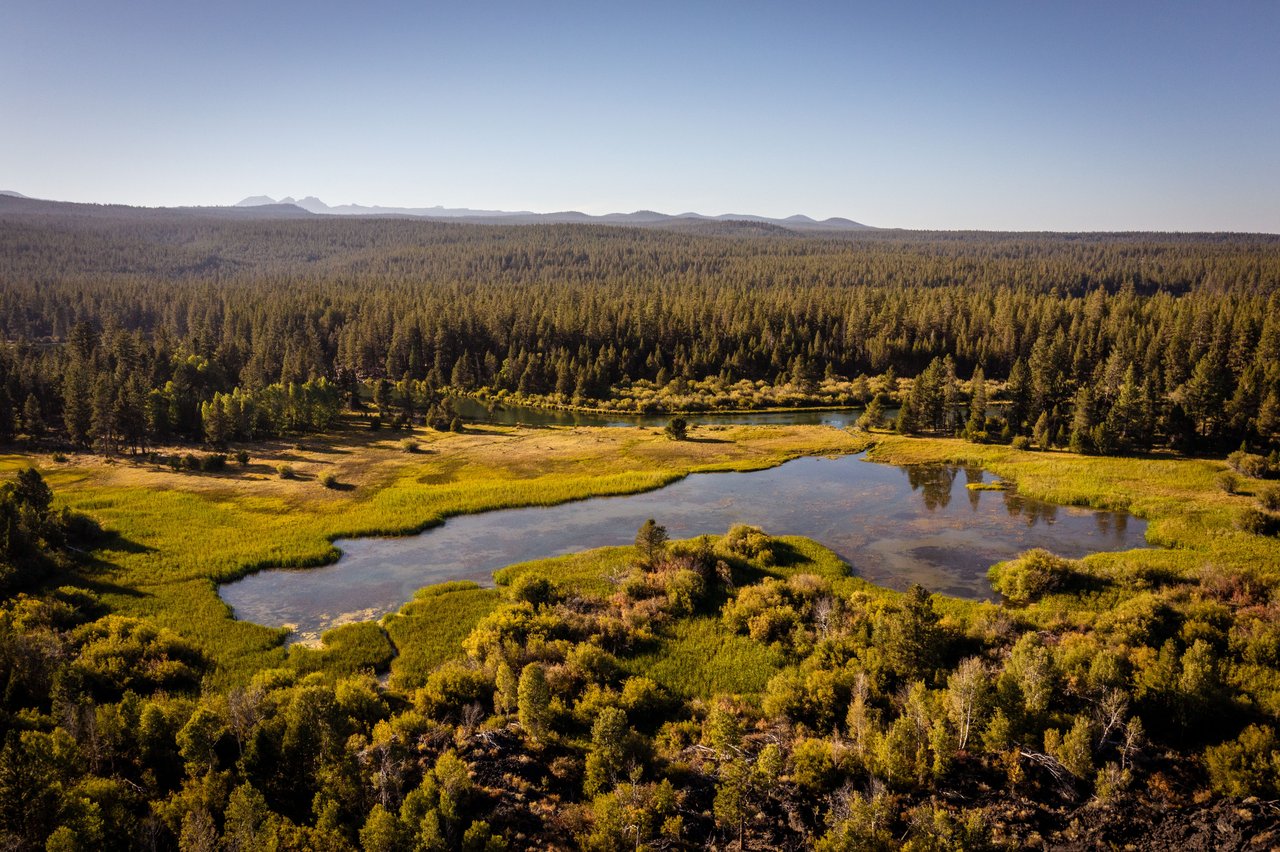
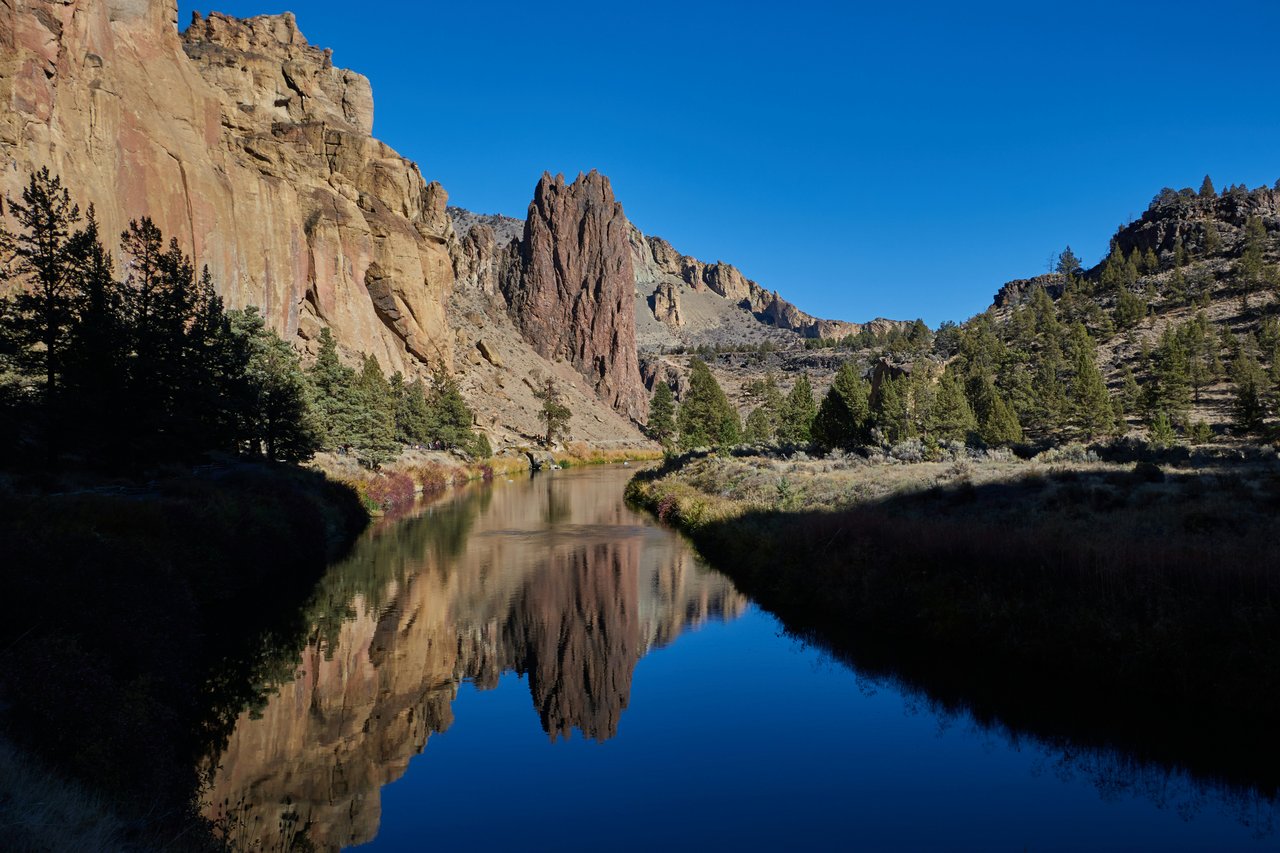
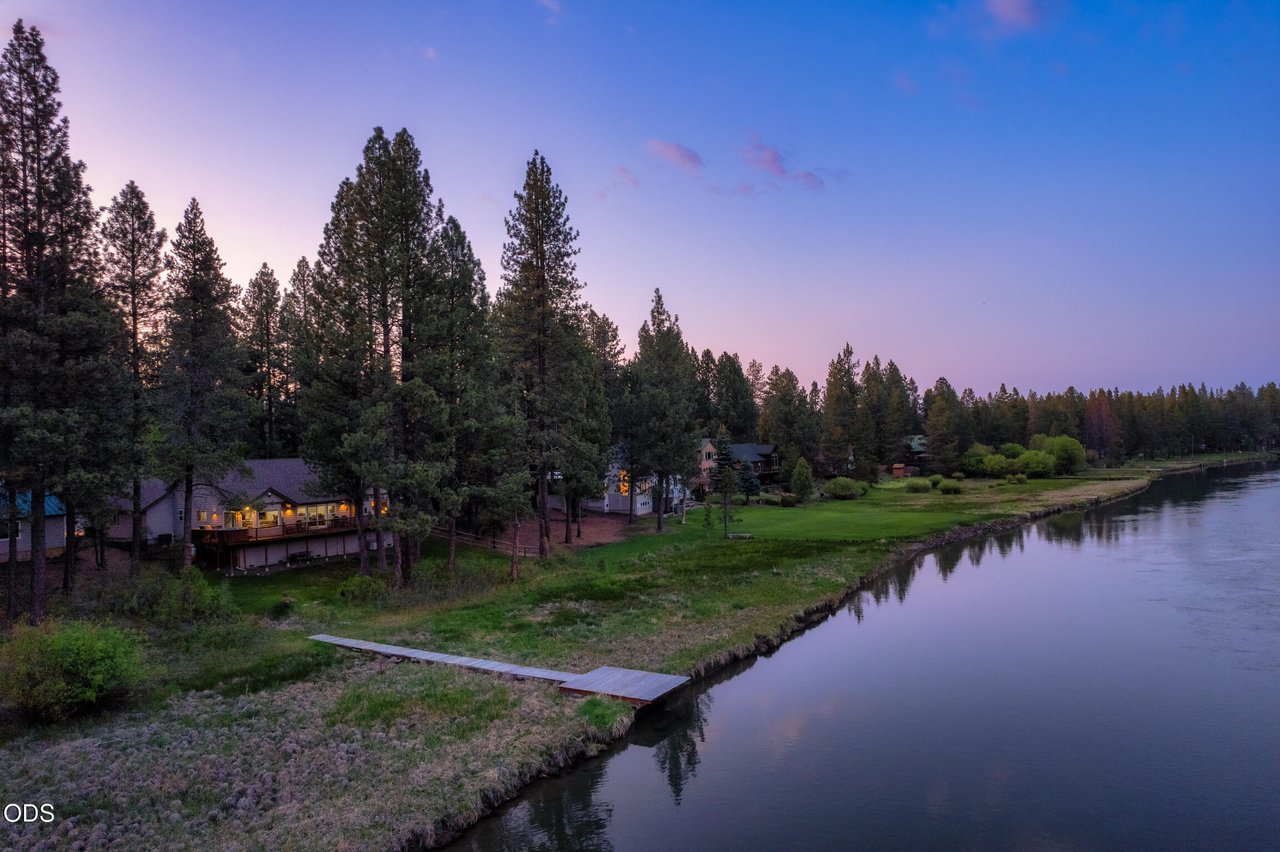
Sunriver sits west of the Deschutes River and is surrounded by Deschutes National Forest. Official community materials describe the setting as a mix of river edge, pine forest, and open recreation space, which helps explain the calm and outdoors-focused feel that draws many buyers here.
The river is a big part of that atmosphere, but it is important to understand how access works. Inside Sunriver proper, SROA says the only river access and exit points are the private SROA boat launch and the semi-private Resort Marina. SROA also prohibits river access parking, drop-offs, pickups, and waiting along roads, pathways, Cardinal Landing Bridge, and Mary McCallum Owner Park.
That means the river is best thought of first as a scenic backdrop and walking destination. Mary McCallum Owner Park, for example, is a pedestrian-only river park with paved and gravel walking trails and no launch or takeout for watercraft.
For many homeowners, that is part of the appeal. You get the beauty of the river corridor and the quiet of the pines, with a community framework designed to preserve order and low-speed movement.
Path etiquette shapes the experience
Because the network is so central, the community’s pathway rules carry real weight. Pedestrians have the right of way, and the speed limit is 15 mph. The service district also notes that bike paths can get crowded and provides a Pathway Wayfinder because the network can feel overwhelming at first.
Those details may sound small, but they influence the tone of everyday life. The paths are designed for shared use, not speed. If you value a community setting where movement feels calm and predictable, that is an important part of the picture.
Sunriver also observes quiet hours from 10 p.m. to 7 a.m., and the community notes regular wildlife presence. Together, those norms reinforce the forested, peaceful character many buyers are looking for.
Choosing a home for trail access
If Sunriver’s path-centered lifestyle appeals to you, the next question is how different home types support it. Sunriver’s housing mix includes privately owned single-family homes along with condominium and townhome options. SROA describes the community as a hybrid of roughly 1,200 full-time residents plus a large resort and vacation-rental component.
The 2023 inventory shows that many villages are already 96 to 99 percent built out. That points to an established community where location within Sunriver often matters more than chasing brand-new inventory.
Official village names include single-family areas such as Meadow Village, Fairway Island, Forest Park, River Village, Deer Park, Fairway Point, and Fairway Crest. Condo and townhome clusters include Meadow House, Wildflower, Quelah Condos, Eaglewood Condos, Ridge Condos, SR Lodge Condos, Tennis Village, and River Village.
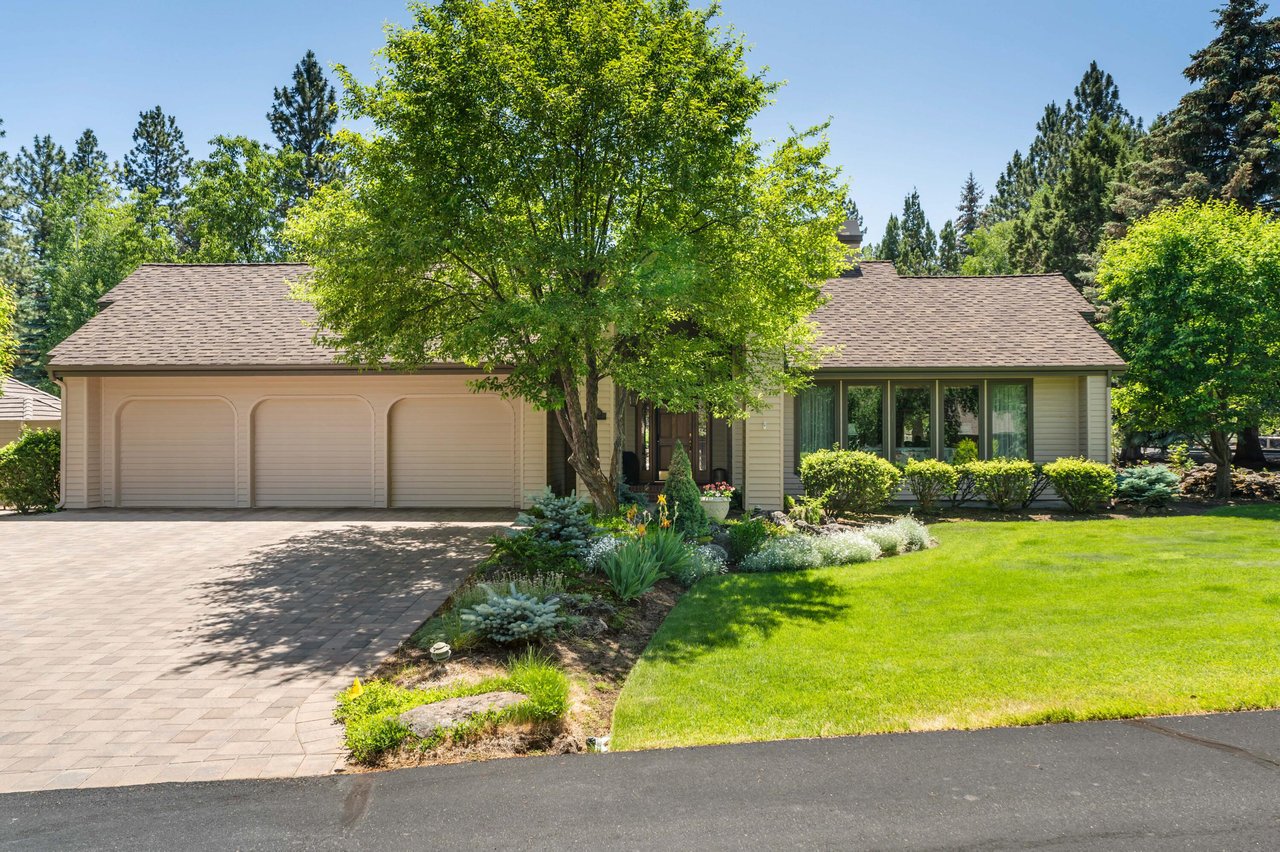
For buyers, the practical difference often comes down to how you want to live day to day. Detached homes may offer more privacy and separation, while condos and townhomes may place you closer to trail connections and core amenities.
What to notice on a home search
When you tour homes in Sunriver, it helps to look beyond square footage and finishes. A trail-oriented lifestyle depends on how a home connects to the places you want to use most. That can affect convenience, guest experience, and even how often you actually bike or walk.
As you compare options, pay attention to:
- How quickly you can reach a main pathway from the property
- Whether the route to The Village, SHARC, or parks feels direct
- If the home sits near golf, recreation nodes, or quieter loops
- Whether the home type matches your preferred balance of privacy and convenience
- How easy the property would feel for guests if you plan to use it as a second home or vacation rental
Some resort-managed examples show how strongly trail proximity can shape appeal. Official listing descriptions highlight homes that are steps from golf, SHARC, Village shopping, Fort Rock Park, and multiple bike paths, underscoring how access can be part of a property’s identity.
Why this lifestyle appeals to buyers
For many buyers, Sunriver stands out because the pathways make the community feel usable, not just beautiful. You are not only buying a home near recreation. You are buying into a layout where recreation, errands, gathering spaces, and scenic routes overlap.
That can be especially appealing if you want a second home with an easy resort rhythm. It can also matter if you are looking for a primary residence where outdoor access feels built into daily life instead of requiring a plan and a drive.
In an established community like Sunriver, those details often shape long-term satisfaction. The more closely a home aligns with how you want to move through the day, the more natural ownership tends to feel.
If you are exploring condos, single-family homes, or vacation-rental opportunities in Sunriver, the team at Sunriver Realty can help you compare locations, access patterns, and property types with a local perspective rooted in the community itself.
FAQs
How many miles of bike paths are in Sunriver?
- SROA lists 34 miles of paved pathways, while Sunriver Resort markets the network as 40-plus miles, so the safest takeaway is that Sunriver has a large, community-wide paved path system.
Are Sunriver pathways open to the public?
- Sunriver’s pathways are intended for owners, residents, and guests, and they operate as community-managed shared infrastructure rather than a typical public trail network.
What is allowed on Sunriver pathways?
- Pathways allow pedestrians, bicycles, ADA transportation, and Class 1 e-bikes, with pedestrians having the right of way and a 15 mph speed limit.
Can you use Sunriver paths for daily errands?
- Yes, the pathway network connects many commonly used destinations, including The Village at Sunriver, SHARC, parks, and other amenities, which supports a car-light daily routine.
Is the Deschutes River easy to access inside Sunriver?
- River access inside Sunriver proper is limited to the private SROA boat launch and the semi-private Resort Marina, while places like Mary McCallum Owner Park are for pedestrian access and scenic walking rather than launching watercraft.
What types of Sunriver homes fit a trail-centered lifestyle?
- Both single-family homes and condos or townhomes can fit that lifestyle, but condos and clustered homes may offer more immediate access to pathways and core amenities, while detached homes may offer more privacy.
Why does trail access matter when buying a Sunriver home?
- Trail access can shape convenience, daily routines, guest experience, and how easily you can reach places like The Village, SHARC, parks, and golf areas without relying on a car.