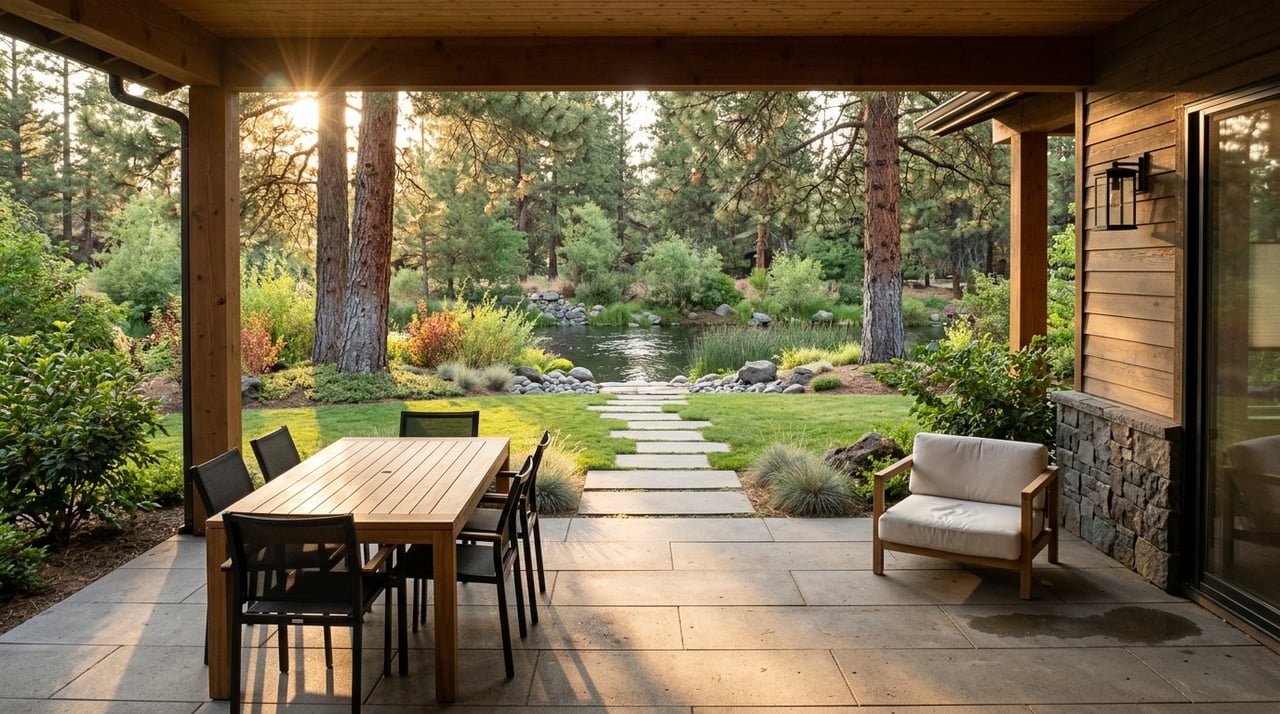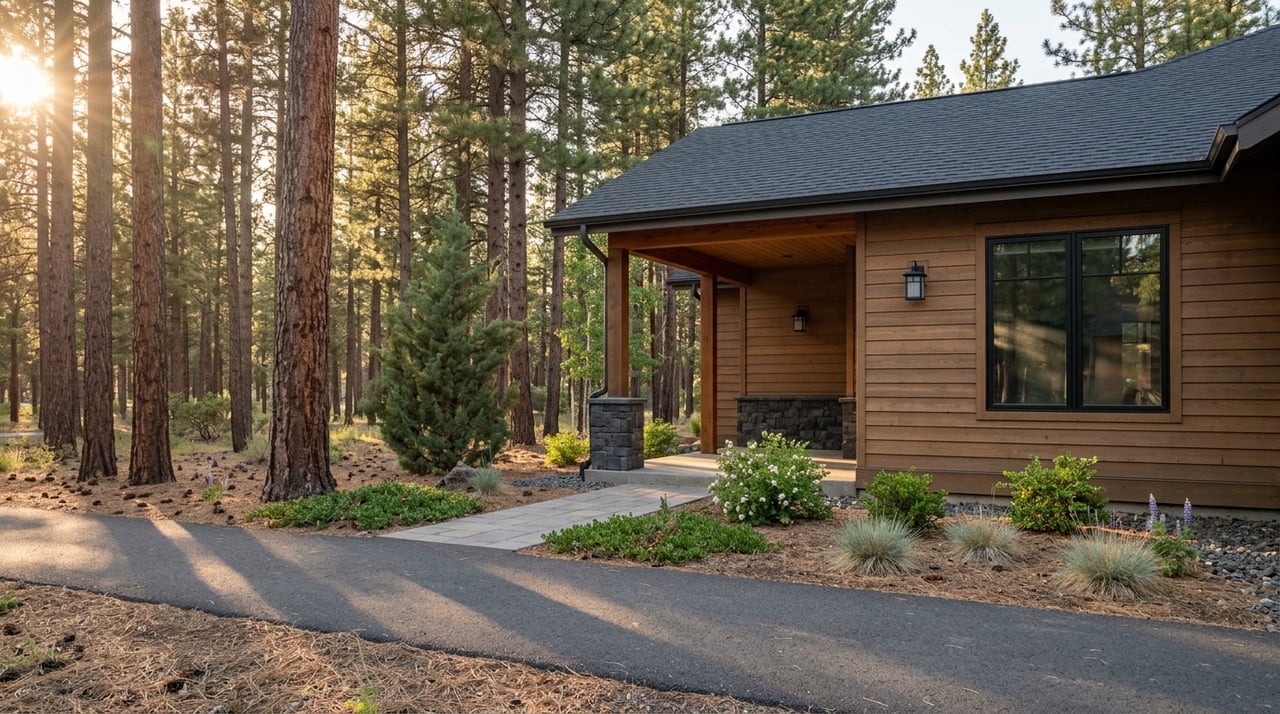
If you are trying to choose between Bend and Sunriver, you are really choosing between two different ways to live in Central Oregon. One offers a larger city feel with more daily services and housing options. The other offers a planned resort community with built-in amenities and a more managed ownership experience. If you want to know which home base better fits your goals, this guide will help you compare the lifestyle, ownership structure, and day-to-day tradeoffs. Let’s dive in.
Bend vs. Sunriver at a Glance
Bend is the larger, city-scale option. The U.S. Census Bureau estimates Bend’s population at 107,342 in 2025, and the city provides core services like public safety, water, planning and permitting, transportation, parking, and a short-term rental program.
Sunriver is much smaller and more structured. According to the Sunriver Owners Association, the community spans more than 3,300 acres, includes 4,176 unit properties, and operates through a planned-community association model where residential ownership and resort amenities overlap.
That difference shapes almost everything else. In simple terms, Bend tends to feel like a full-service city with strong outdoor access, while Sunriver feels more like an amenity-rich resort community designed around ownership, recreation, and seasonal use.
Why Buyers Choose Bend
Bend offers more everyday convenience
If you want a home base with a more urban rhythm, Bend often stands out. The city sits at 3,623 feet, is surrounded by public lands, and is about 22 miles from Mt. Bachelor, while also handling local services that support year-round living.
That matters in daily life. You may find the city setup more practical if you want regular access to municipal services, a broader mix of housing, and the pace of a larger community.
Bend has a broader leisure mix
Bend is not only about outdoor recreation. Visit Bend describes a mix of downtown activity, urban parks, shops, restaurants, and breweries, and the Old Mill District adds riverside restaurants, trails, retail, and events.
That variety can appeal if you want more options close to home. Rather than relying on one central resort hub, Bend gives you a wider spread of destinations and experiences across the city.
Bend provides a larger housing base
Bend’s housing market is much larger than Sunriver’s. Census data lists 51,443 housing units and 47,408 households, which suggests more neighborhood choice and a wider range of home types, even though the exact mix varies by area.
For many buyers, that scale creates flexibility. Whether you are looking for a primary residence, a second home, or a property with easier access to city amenities, Bend gives you more inventory to explore.
Bend short-term rentals require local research
If rental use is part of your plan, Bend requires careful review. The city says its short-term rental program is designed to balance tourism with neighborhood livability, and it regulates which homes can be used as short-term rentals.
That means not every property will fit the same strategy. Before you buy in Bend with rental goals in mind, it is important to confirm how the city’s rules apply to the specific home you are considering.
Why Buyers Choose Sunriver
Sunriver is built around resort-style ownership
Sunriver is designed very differently from Bend. The Sunriver Owners Association says the community is southwest of Bend near the Cascade base, bordered by the Deschutes River and surrounded by Deschutes National Forest.
The amenity package is a major draw. Sunriver includes SHARC, a member pool, tennis and pickleball, a boat launch, parks, 34 miles of paved pathways, The Village at Sunriver, the Sunriver Nature Center & Observatory, an airport, and a Marketplace grocery and gas station, along with privately operated features such as golf, spa, marina, and stables.
Sunriver has a more managed ownership structure
Ownership in Sunriver comes with a distinct governance model. SROA says membership is mandatory, annual maintenance fees support common areas and facilities, and the association performs many small-town-style functions.
The community also enforces landscape and architectural standards. For some buyers, that creates a more polished and predictable environment. For others, it means weighing the benefits of amenities and oversight against the added structure of planned-community ownership.
Sunriver fits second homes and seasonal use
Sunriver is especially relevant if you are shopping for a second home or a property with vacation-rental potential. SROA says the community includes 4,177 homesites made up of privately owned single-family homes and condominium units, and that an active vacation-rental program has developed over time.
SROA also describes Sunriver as a hybrid community with about 1,200 permanent full-time residents and a significant second-home and vacation-rental presence. That makes the area appealing if you want a home that can support personal use while also fitting into a resort-oriented ownership model.
Which Home Base Fits Your Goals?
Choose Bend for a primary residence focus
Bend often makes the most sense if you want a full-service city base. You may prefer Bend if your top priorities are daily convenience, broader retail and dining options, and a larger year-round housing market.
This does not mean Bend is disconnected from recreation. It simply means your lifestyle may lean more toward city-plus-mountain access than a resort-centered routine.
Choose Sunriver for second-home living
Sunriver often makes the most sense if you want a home that feels tied to recreation and amenities from day one. HOA-supported amenities, paved paths, golf, pools, and village-style features can make ownership feel more turnkey and leisure-focused.
That can be especially attractive if your home will not be your only residence. Buyers who plan to use a property seasonally often like the structure and amenity access that come with Sunriver’s planned-community setup.
Consider rental plans early
If you are deciding between the two for rental reasons, the ownership model matters. Bend has city regulation around short-term rentals, while Sunriver has a long-established vacation-rental presence within its resort ecosystem.
Your best fit depends on how you plan to use the home. If rental performance, management, and owner flexibility matter to you, it helps to compare properties through that lens before narrowing your search.
Lifestyle Questions to Ask Yourself
Before you decide, it helps to get honest about how you want your home to function. The right choice often becomes clearer when you focus on your day-to-day habits, not just the setting.
Ask yourself:
- Do you want a city setting with more services and housing options?
- Do you prefer a resort atmosphere with shared amenities and pathways?
- Will this be your primary home, second home, or a property with rental goals?
- Are annual maintenance fees acceptable in exchange for amenities and association support?
- Do you want more independence, or do you prefer a more managed community environment?
These questions can quickly narrow the field. They also help you compare properties in a more practical way once you begin touring homes.
What About School Attendance Areas?
If school assignment is part of your move, verify it by property address before you make a decision. Bend-La Pine Schools provides a La Pine and Sunriver attendance-area map, and Three Rivers K-8 School is located in Sunriver.
Attendance boundaries can change, so it is best to confirm the current assignment directly for any home you are considering. That extra step can help you avoid surprises later in the process.
Recreation Access Is Strong in Both
You do not have to give up outdoor access in either location. Both Bend and Sunriver work well as Central Oregon home bases for buyers who care about recreation.
The difference is more about style than access. Bend leans toward a city setting with mountain access, while Sunriver leans toward a resort community with paths, pools, golf, and village-style amenities built into everyday ownership.
If you are still deciding between the two, the best next step is to compare real homes through the lens of how you want to live, use, and maintain the property. The right fit is usually the one that supports your routine as much as your weekend plans. If you want local guidance on homes in Sunriver, Bend, or nearby resort communities, connect with Sunriver Realty for warm, knowledgeable help tailored to your goals.
FAQs
Is Bend or Sunriver better for a primary residence in Central Oregon?
- Bend usually fits buyers who want a fuller range of city services, more retail and dining options, and a larger year-round housing market.
Is Sunriver a good fit for a second home in Central Oregon?
- Sunriver often appeals to second-home buyers because of its resort-style amenities, planned-community structure, and long-established vacation-rental presence.
Are short-term rentals allowed in Bend, Oregon?
- Bend has a local short-term rental program, and the city regulates which homes can be used as short-term rentals, so property-specific research is important.
Does Sunriver have an HOA or community association?
- Yes. Sunriver ownership includes mandatory membership in the Sunriver Owners Association, and annual maintenance fees help fund common areas and facilities.
How is daily life different in Bend versus Sunriver?
- Bend generally offers a more city-like daily routine, while Sunriver offers a more resort-oriented experience with shared amenities, pathways, and a managed community feel.
How can you verify school attendance areas in Sunriver or Bend?
- You should verify school assignment by the property address through Bend-La Pine Schools because attendance boundaries can change.